Curly and Coily Hair After a Transplant: Texture, Healing and Cost
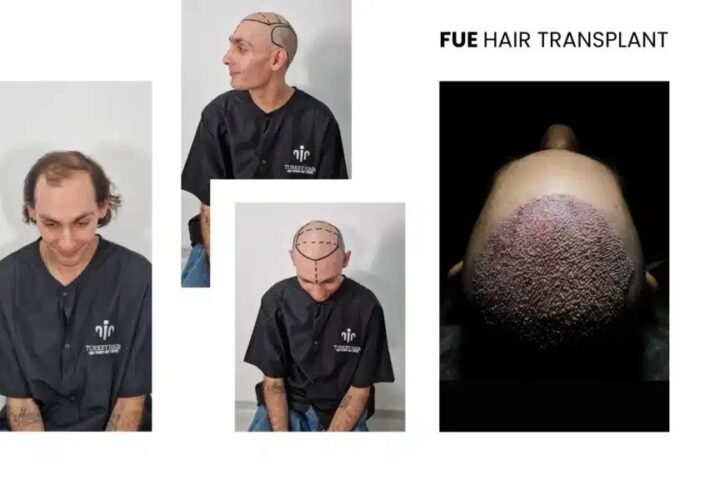
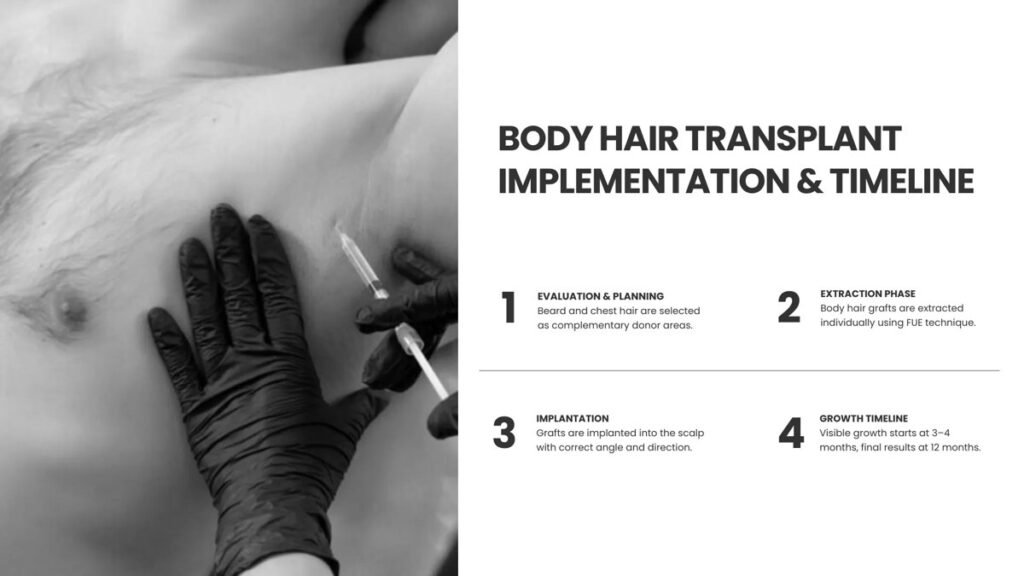
Curly and coily hair brings particular considerations to hair restoration. The follicle beneath the skin is itself curved, which affects how grafts are extracted and placed. Patients with textured hair also tend to ask detailed questions about how the new hair will look, how healing appears on darker skin and how pricing works. This guide addresses those questions in plain terms. Why Textured Hair Needs Careful Planning In straight hair, the follicle runs in a fairly straight line under the skin. In curly and coily hair, it bends, so extraction tools and techniques have to follow that curve to avoid damaging the follicle. Experienced teams adjust the depth and direction of extraction accordingly. The good news is that curly hair often gives an impression of greater coverage, because each strand covers more of the scalp. How the New Hair Grows Transplanted follicles generally keep the characteristics they had in the donor area, so the eventual curl pattern usually matches the hair at the back of the head. During early regrowth, some patients notice hair that looks straighter, kinkier or finer than expected. This tends to change as the hair matures. A detailed explanation of how transplanted curly hair grows back describes these stages and when it is realistic to judge the result. Healing on Darker Skin After surgery, small crusts form around each graft. On darker skin, redness may be less visible, but crusts and temporary changes in skin tone can be more noticeable for a while. Following the washing routine carefully helps the crusts soften and fall away, usually within about two weeks. Knowing what to expect from scabbing after a hair transplant helps patients avoid picking, which can disturb grafts and increase the risk of marks. Aftercare points for textured hair Understanding the Cost The cost of restoration depends mainly on the number of grafts, the technique and what is included in the package, such as medication, aftercare products, accommodation and follow-up. Textured hair can require more time per graft, which some providers reflect in their planning. When asking how much is hair replacement, compare complete packages and check what happens if you need support after returning home. Choosing a Team Ask whether the team regularly treats curly and coily hair, how they assess scarring risk and how they design a hairline that suits your features. A careful consultation, with time for questions, is one of the best indicators that the planning will take your hair type seriously. Styling Once Healing Is Complete Many patients with textured hair want to know when they can return to their usual styles. Gentle washing and light products are usually allowed early on, but braids, locs, weaves and chemical treatments put tension or chemicals on the scalp and are normally postponed until the surgeon confirms that the grafts are secure and the skin has fully healed. When you do return to these styles, choosing looser tension and giving the scalp regular breaks helps protect both the transplanted hair and the native hair around it, reducing the risk of traction thinning in the future.