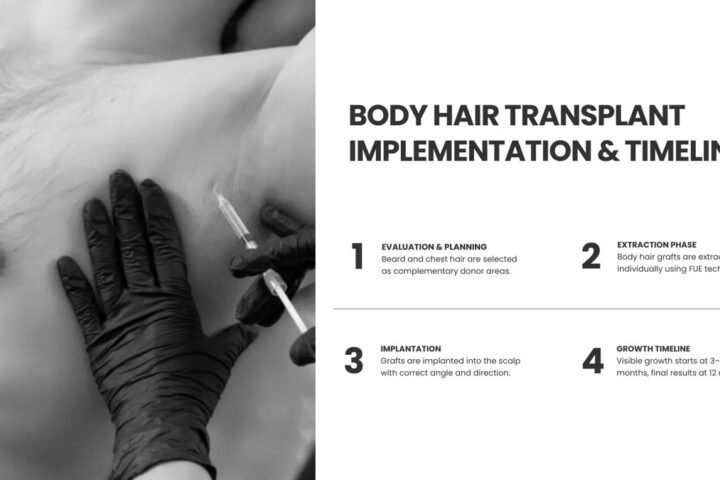

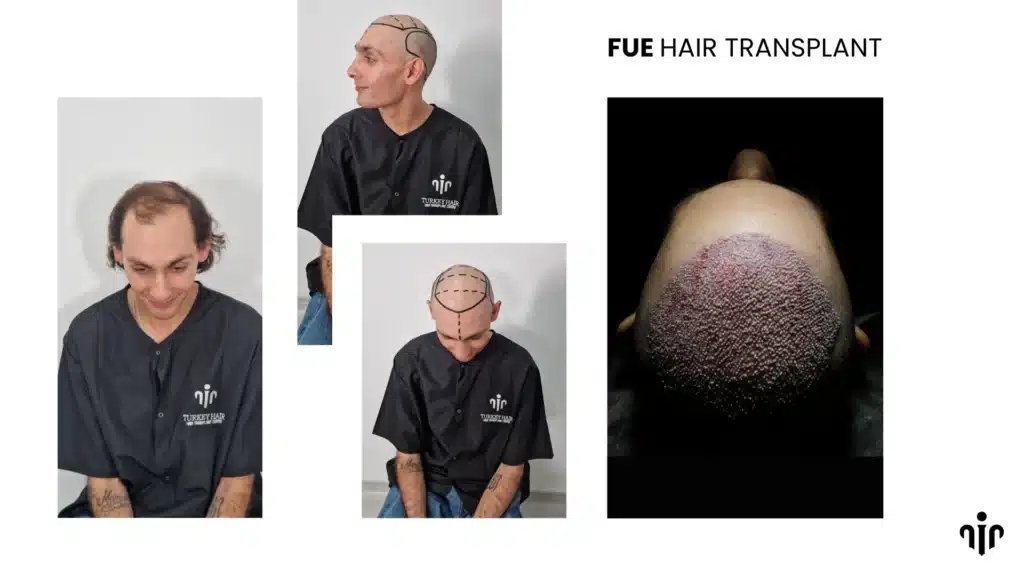
Afro-textured hair behaves differently from straight or wavy hair, and that difference continues below the skin. The follicle itself is curved, which changes how grafts are extracted, how many are needed and how the final result looks. For anyone with tightly coiled hair who is considering a transplant, understanding these differences is the starting point for a sensible conversation with a doctor.
Why Curl Pattern Changes the Procedure
In straight hair, the follicle runs in a fairly straight line under the skin. In afro-textured hair, it usually curves, sometimes sharply. During extraction, a straight punch can cut through a curved follicle and damage it. This is called transection, and it is one of the main technical challenges in this type of surgery.
Surgeons experienced with an afro hair transplant often use slightly wider or specially shaped punches, work more slowly and test the follicle angle before extracting in larger numbers. The donor area may also be less dense than in some other hair types, so planning has to be careful.
The upside of coiled hair
Curly hair covers more scalp per strand than straight hair. Because each coiled hair takes up more visual space, fewer grafts can sometimes create an impression of fullness. This works in the patient’s favour when the donor supply is limited.
Graft Planning for Afro Hair
A plan usually starts with an assessment of the donor area, the size of the thinning zone and the patient’s goals. Hairline design also deserves attention. Many afro hairlines are naturally straighter or more rounded at the temples, and copying a hairline designed for a different hair type can look out of place.
- the donor area is checked for density and follicle curvature
- a small number of test extractions may be taken to measure transection
- grafts are often placed with slightly wider spacing because of the curl
- scarring tendencies, including keloid history, are discussed before surgery
What Shapes the Cost
Because extraction is slower and more technical, research into afro hair transplant cost usually shows that quotes are calculated differently from a standard procedure. Prices vary, and no fair figure can be given without an examination. The main factors are:
- the number of grafts required for the target area
- the extra time and skill needed to avoid damaging curved follicles
- whether FUE or DHI is used for implantation
- what is included, such as medication, aftercare, accommodation and transfers
A written, itemised quote is the most reliable way to compare offers.

Transplants for People With Locs
People who wear locs face a particular question: do they have to cut them? In some situations, a hair transplant with dreadlocks can be planned so that only the donor and recipient zones are trimmed, while the locs elsewhere are tied back and protected. Whether this is possible depends on where the locs sit, how dense they are and how much of the scalp needs treatment.
Long-term tension from heavy locs can also contribute to traction alopecia, a form of hair loss caused by pulling. If this is the cause, a doctor will usually recommend changing how the hair is worn, because transplanted hair placed under the same tension may also suffer.
Conclusion
Afro hair transplants are entirely possible, but they reward experience and careful planning. The curved follicle, the donor supply and the way the hair is styled all shape the approach and the quote. A consultation with a qualified doctor familiar with textured hair is the right next step.