
Ever picked up something labeled “healthy” or “low fat” and felt good about the purchase, only to find out later it was packed with sugar? Yeah, me too — more times than I’d like to admit. Learning how to read nutrition labels properly is honestly one of the most useful skills for anyone trying to eat better, and it takes maybe ten minutes to actually get the hang of.
Food companies aren’t lying exactly, but they’re definitely choosing what to highlight. The front of the pack is marketing. The back is the truth.
Why the Front of the Package Can’t Be Trusted
“No added sugar” can still mean high natural sugar content. “Multigrain” doesn’t mean whole grain. Knowing how to read nutrition labels means skipping the marketing entirely and going straight to the nutrition facts panel.
In short: Front-of-package claims like “natural,” “healthy,” or “light” are largely unregulated marketing terms — the actual nutrition facts panel and ingredients list are the only reliable source of what’s really in the product.
1. Start With the Serving Size
This is where most people get tricked without realizing it. A bag of chips might list nutrition “per serving,” but the bag could contain 3 servings. If you eat the whole bag, triple every number on the label.
- Always check serving size before anything else
- Compare serving size to what you’d realistically eat in one sitting
2. Look at Total Sugar, Not Just “Added Sugar”
Companies love highlighting “no added sugar,” but total sugar (including naturally occurring) still matters, especially for blood sugar management. This is a critical part of how to read nutrition labels that a lot of health-conscious shoppers still miss.
3. Check the Ingredients List Order
Ingredients are listed by weight, highest first. If sugar, syrup, or refined flour appears in the first three ingredients, that tells you more than any front-label claim ever will.
Quick answer: Ingredients are listed in descending order by weight, so whatever’s listed first makes up the largest portion of the product — if sugar or oil tops the list, that’s the dominant ingredient, regardless of what the packaging claims.
[link to related guide on high-protein vegetarian foods here]
4. Understand Sodium Numbers
Packaged and processed foods are often loaded with sodium well beyond what people expect. The recommended daily limit is roughly 2,300mg, but a single serving of some packaged snacks or ready meals can hit 600-800mg alone.
- Under 140mg per serving: considered low sodium
- Over 400mg per serving: relatively high, worth limiting
5. Don’t Be Fooled by “Low Fat” Labels
When fat is reduced, sugar or salt is often increased to maintain taste. Genuinely understanding how to read nutrition labels means recognizing this trade-off instead of assuming “low fat” automatically means “healthier.”
6. Fiber Content Matters More Than People Think
Higher fiber content (aim for 3g+ per serving as a decent benchmark) slows sugar absorption and keeps you fuller longer. It’s one of the most overlooked numbers on the entire label.
[link to related guide on daily health routine building here]
7. Watch for Multiple Names for Sugar
Sugar shows up under a dozen disguises — dextrose, maltose, corn syrup, fructose, cane juice. If you see three or four of these in one ingredients list, the product has more added sugar than the front label might suggest.
8. Percent Daily Value (%DV) — What It Actually Means
This number tells you how much a nutrient in one serving contributes to a typical daily diet. As a rough rule: 5% DV or less is low, 20% DV or more is high. This applies to everything from sodium to saturated fat to fiber.
A Quick Label-Reading Checklist
- Check serving size first
- Scan the first 3 ingredients
- Check total sugar and sodium
- Look at fiber content
- Use %DV to judge if something’s genuinely high or low
Running through this checklist takes under a minute once you know how to read nutrition labels properly, and it becomes second nature after just a few grocery trips.
FAQ
Q: Is “low fat” always a healthier choice than the regular version? Not necessarily — check the sugar and sodium content too, since manufacturers often increase these when reducing fat.
Q: What sugar amount per serving should I be cautious of? Anything above 10-15 grams of added sugar per serving is worth being cautious about, especially in something marketed as a healthy snack.
Q: Do organic or natural labels mean the nutrition facts will be better? Not automatically — those terms relate to farming or processing methods, not necessarily to sugar, sodium, or calorie content.
Q: How do I know if a food is genuinely high in fiber? Look for 3 grams or more of fiber per serving as a reasonable “good source” benchmark, and 5g or more as genuinely high.
Q: Why do some labels list ingredients I can’t pronounce? Not all unfamiliar ingredients are harmful — many are preservatives or stabilizers with long chemical names. It’s the position and quantity that usually matters more than the name itself.
Conclusion
Learning how to read nutrition labels takes the guesswork out of grocery shopping and stops marketing claims from making decisions for you. Start with just the serving size and first three ingredients on your next shopping trip — that alone will change how you see half the products on the shelf.
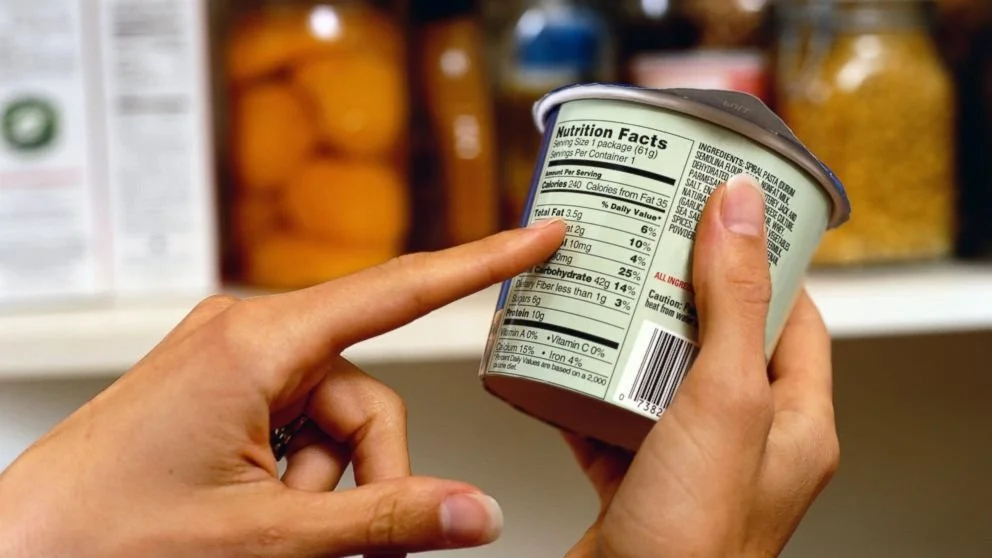
Suggested Image Alt Text: “Person learning how to read nutrition labels on a packaged food item”