
Modern healthcare facilities need imaging systems that support accurate diagnosis while keeping patient movement and staff workload manageable. This is where well-planned radiology solutions can make a practical difference. From image acquisition to processing and printing, every stage needs to work smoothly.
A good imaging workflow can reduce unnecessary delays, improve room utilization, and help radiology teams handle different patient requirements more efficiently. Hospitals are therefore looking beyond individual machines and focusing on complete solutions that fit their daily operations.
How Digital Imaging Supports Better Care
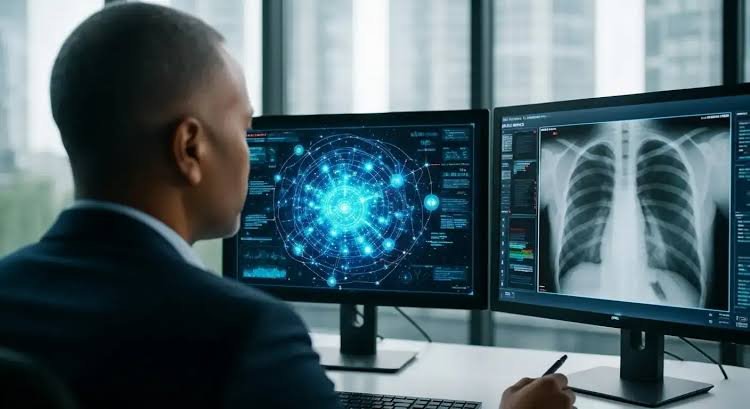
Digital imaging has changed the way radiology departments manage examinations. Images can be captured, processed, reviewed, and shared through connected systems. This helps reduce dependence on traditional film-based processes and can make reporting more convenient.
Modern radiology solutions are designed to support this connected approach. When imaging equipment, image processing, reporting systems, and printing technologies work together, staff can spend less time managing technical steps and more time focusing on patients.
The Role of Mobile Radiography
Not every patient can easily travel to a dedicated imaging room. Patients in intensive care units, emergency departments, recovery areas, or other critical situations may need examinations at their bedside. This is where mobile radiography becomes particularly useful.
With mobile radiography, imaging can be performed closer to the patient, reducing the need for unnecessary transfers. It can also support hospitals when several departments require imaging services at the same time. A mobile approach can therefore improve flexibility while helping healthcare teams respond quickly to changing clinical needs.
Creating a More Efficient DR Room
The DR room remains an important part of many modern imaging departments. Its design should support smooth patient positioning, easy equipment access, efficient image acquisition, and comfortable movement for radiographers.
A well-organized DR room can help reduce waiting times and improve the overall patient experience. Clear workflows also make it easier for staff to prepare examinations, capture images, and complete procedures without unnecessary interruptions.
Reliable Printing and Image Management
Although digital imaging is now standard in many facilities, printed images can still be required for specific clinical and administrative purposes. Technologies such as Drystar 5302 can support dry medical imaging workflows without relying on traditional wet processing.
The Drystar 5302 is designed around the requirements of medical image printing, helping facilities maintain consistent output while fitting into established digital workflows. When printing is integrated effectively with other radiology solutions, staff can manage image output without creating unnecessary additional steps.
Conclusion
Efficient medical imaging depends on how different technologies work together. From mobile radiography and a well-designed DR room to dependable printing and connected radiology solutions, every component can influence workflow quality. The right combination can help healthcare facilities improve efficiency while maintaining a patient-focused approach.
The company behind these imaging technologies focuses on developing dependable diagnostic imaging and healthcare workflow solutions designed for modern clinical environments. Its portfolio supports image acquisition, processing, printing, and digital connectivity, helping healthcare providers build practical and efficient radiology workflows without unnecessary complexity.