
Building a family through surrogacy is a major decision that involves emotional, medical, legal, and financial considerations. For intended parents exploring options abroad, surrogacy in Merida may be worth researching because the city offers access to private healthcare services and fertility specialists.
Merida, located in the Yucatan Peninsula of Mexico, has developed healthcare services that may interest people considering fertility treatment. Before making plans, intended parents should confirm whether their particular family circumstances are supported by local laws and whether the necessary legal procedures can be completed.
Why International Surrogacy Requires Careful Planning
International surrogacy involves intended parents and a surrogate mother who may live in different countries. While this arrangement can create opportunities for people seeking to become parents, it also introduces additional responsibilities.
Parents need to consider medical screening, the surrogate’s informed consent, financial arrangements, and the legal recognition of parenthood. Travel documents, birth registration, citizenship, and permission to bring a child home may also require attention.
For families researching international surrogacy, professional guidance should begin before any medical treatment or agreement takes place. This helps identify potential complications early and allows everyone involved to make informed decisions.
Understanding International Surrogacy Law in Mexico
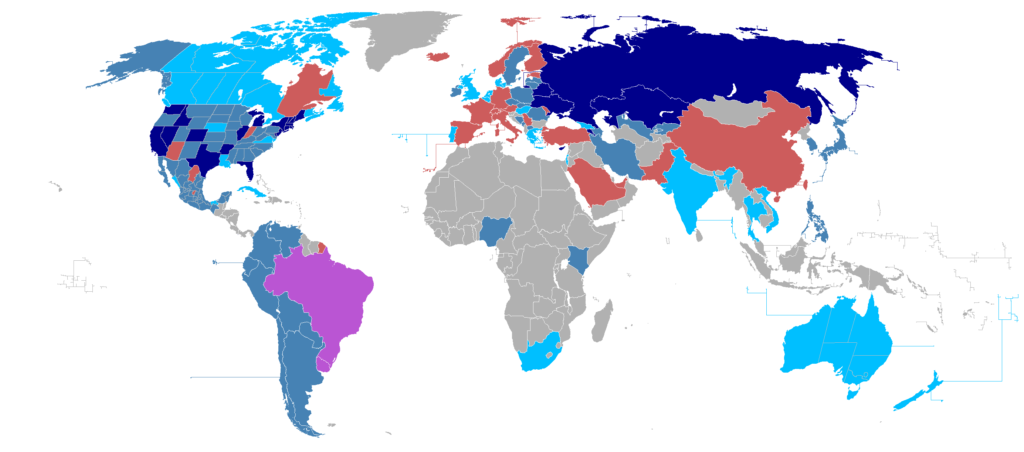
International surrogacy law is an important consideration when comparing destinations. Mexico’s legal position on surrogacy has developed through state-level legislation, court decisions, and constitutional protections. Anyone considering surrogacy in Mexico should understand that legal access cannot be assumed simply because a fertility clinic offers treatment.
Before proceeding, intended parents should obtain advice from a qualified Mexican lawyer familiar with assisted reproduction. They should also consult an immigration or nationality lawyer in their home country to understand how parentage, citizenship, and travel documents will be handled.
Surrogacy in Mexico for US Same-Sex Couples
For people researching surrogacy in Mexico for US same-sex couples, legal eligibility deserves particular attention. Same-sex couples may face different requirements depending on the state, the legal interpretation of relevant provisions, and the procedures available to establish parenthood.
US intended parents should not assume that a child’s birth in Mexico automatically guarantees US citizenship or immediate permission to travel. Citizenship rules can depend on the circumstances of the US parent or parents, biological relationships, and applicable federal requirements. Couples should seek written legal guidance on parentage orders, birth certificates, documentation, and consular procedures before entering an agreement.
Making an Informed Family-Building Decision
Exploring international surrogacy takes patience, research, and careful coordination. Families should prioritise ethical treatment, transparent communication, and legal safeguards over convenience alone. With qualified medical and legal professionals involved from the beginning, intended parents can better understand their options and prepare for the responsibilities of welcoming a child.
For those comparing surrogacy in Mexico for US same-sex couples, independent advice is especially valuable because legal requirements can change and individual circumstances matter.
A supportive family-building service can help intended parents understand their options, coordinate appropriate professional guidance, and navigate complex arrangements with greater clarity. Clear communication, ethical standards, and respect for every person’s rights should remain central throughout the journey.