
Deadlines, family responsibilities, financial pressure — stress touches everyone in some form in modern life. Yoga for stress relief is an approach that’s been proven effective for thousands of years, and it’s just as relevant today.
Whenever I feel overwhelmed, a simple 10-minute yoga and breathing session helps me mentally reset — without going anywhere, right at home.
How Yoga Reduces Stress
Yoga isn’t just physical exercise — it combines breathing and mindfulness, which directly calms the nervous system.
Quick answer: Yoga for stress relief lowers cortisol (the stress hormone) and activates the parasympathetic nervous system. This slows the heart rate, relaxes the muscles, and naturally calms the mind.
Simple Yoga Poses That Reduce Stress
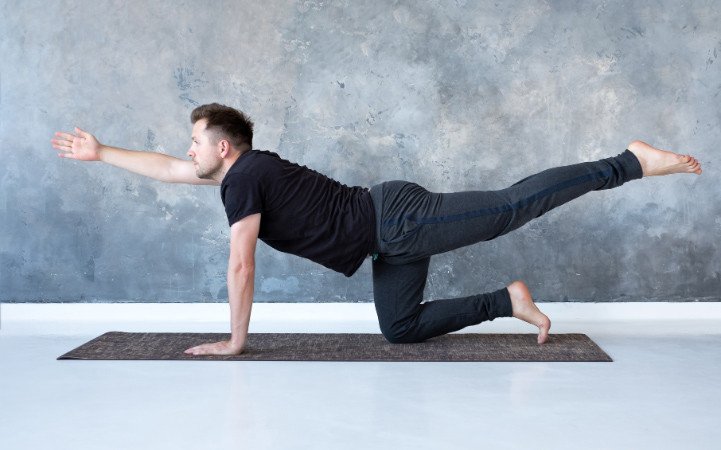
These poses are easy enough for beginners to try right away.
- Balasana (Child’s Pose) — calms the mind, relaxes the shoulders
- Shavasana — full-body relaxation, always do this at the end of a session
- Vrikshasana (Tree Pose) — improves balance along with focus
- Marjariasana-Bitilasana (Cat-Cow) — relaxes the spine and releases tension
- Setu Bandhasana (Bridge Pose) — helps with anxiety and mild depression
Breathing Techniques (Pranayama)
Poses alone aren’t enough — breathing techniques are equally important for stress management.
- Anulom Vilom — alternate nostril breathing, calms the mind
- Bhramari Pranayama — the humming sound reduces anxiety
- Deep belly breathing — offers instant calming effect, can be done anywhere
[link to related guide about natural ways to reduce anxiety here]
Fitting Yoga Into a Daily Routine
Even a busy schedule can fit in 15-20 minutes — it just needs to be a priority.
- 10 minutes of stretching and breathing right after waking up
- 5 minutes of deep breathing during lunch break
- Shavasana before sleeping — also improves sleep quality
Picture a working professional who takes just 5 minutes for deep breathing during their lunch break — a small step, but it has a positive effect on their mood and productivity for the rest of the day.
Yoga and Exam Stress
For students, yoga is a powerful tool for handling exam pressure. Regular practice also improves concentration, which helps with studies too.
[link to related guide about exam stress management tips here]
When Professional Help Is Needed
Yoga helps with stress management, but if anxiety is severe or seriously affecting daily life, seeing a therapist or counselor is necessary. Yoga is complementary, not a replacement.
FAQs
Q1. How long does it take for yoga to reduce stress? Many people feel some relief after just one session, but regular practice is needed for long-term benefits.
Q2. Is yoga difficult for beginners? No, basic poses are quite simple, and more advanced poses can be tried gradually over time.
Q3. Is yoga only for flexible people? Not at all — yoga is for everyone, and flexibility naturally improves over time.
Q4. What’s the best time to practice yoga? Early morning is generally considered best, but whatever time you can be consistent with is the right one.
Q5. Is yoga a substitute for anxiety medication? No, severe anxiety requires medical treatment — yoga can complement it, not replace it.
Conclusion
Yoga for stress relief is a simple, cost-free, and effective approach that’s just as relevant in 2026 as it was centuries ago. Just 15-20 minutes a day can improve both your mental and physical health. Try one simple pose today — it’ll gradually become a favorite part of your daily routine.
Suggested Image Alt Text:
- “yoga for stress relief poses”
- “pranayama breathing technique”
- “shavasana relaxation pose”