
Reaching for a painkiller every time you have discomfort isn’t ideal for everyone, and that’s exactly why more people are turning to acupressure. It’s an ancient practice that uses pressure on specific points on the body to provide natural relief.
I’ve personally tried acupressure for headaches, and honestly, it sometimes surprises me with how well it works — without any medicine at all.
What Is Acupressure and How It Works
Acupressure comes from Chinese medicine, involving applying pressure to specific points on the body (called “meridian points”) to balance energy flow.
Quick answer: Acupressure points for pain relief are specific areas of the body that, when pressed, help relax muscles and improve blood circulation, providing natural relief without any medication.
Common Acupressure Points and Their Benefits
Here are some popular points that are easy to try yourself.
- LI4 (between thumb and index finger) — for headaches and stress
- GB20 (back of the neck, base of the skull) — for neck pain and migraines
- PC6 (inner wrist) — for nausea and anxiety
- ST36 (below the knee) — for digestion and overall energy
Apply firm but comfortable pressure to each point for 2-3 minutes, in a circular motion.
Acupressure for Headaches
This is the most common use people try. Pressing the LI4 point with your thumb, and gently pressing the GB20 point with both thumbs, offers quick relief for many people.
Picture a student who frequently gets headaches from exam stress — trying 5 minutes of acupressure during a study break, without any medicine, can provide some mild relief.
Points for Back and Neck Pain
This is especially useful for people with desk jobs, who often deal with back and neck pain from sitting for long hours.
- Gentle pressure on the top of the shoulder muscle
- Circular massage on both sides of the lower back
- Combine regular breaks with stretching and acupressure
[link to related guide about yoga for stress relief here]
Is Acupressure Safe for Everyone
Acupressure is generally safe for most people, but caution is needed in a few cases.
- Pregnant women should avoid certain points (some can trigger labor)
- Don’t apply pressure to areas with skin infections or injuries
- If pain is severe or persistent, consult a doctor rather than relying only on acupressure
Acupressure vs Acupuncture
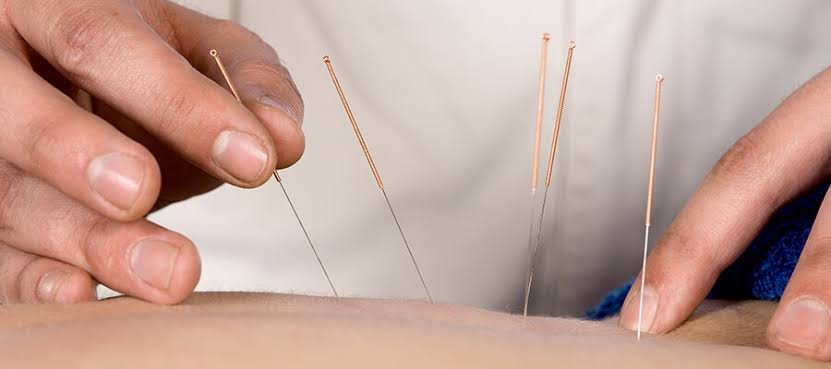
These two often get confused. Acupressure uses hand pressure, while acupuncture uses thin needles applied by a trained practitioner. Acupressure can be done yourself; acupuncture requires a professional.
FAQs
Q1. Does acupressure provide instant relief? Many people feel mild relief within a few minutes, but this varies from person to person.
Q2. Is acupressure a substitute for medicine? No, it’s a complementary approach — serious conditions still require medical treatment.
Q3. How often should acupressure be done? Doing it 1-2 times a day for 5-10 minutes is generally considered safe.
Q4. Can acupressure be used on children? Light pressure can be used, but it’s better to consult a doctor first for children.
Q5. Is self-acupressure hard to learn? No, basic points can easily be learned from online tutorials or charts, and practice improves it further.
Conclusion
Acupressure points for pain relief offer a simple, natural approach you can try for everyday minor aches. If you want relief without depending on medicine in 2026, acupressure is a good place to start — but never skip a doctor’s advice for severe or chronic pain.
Suggested Image Alt Text:
- “acupressure points for headache relief”
- “hand acupressure LI4 point”
- “neck acupressure pain relief technique”