

Menopause is a natural phase every woman goes through, yet it’s rarely talked about openly. Understanding menopause symptoms and knowing how to manage them properly makes a real difference during this transition.
When my mother was going through this phase, I saw firsthand how something as small as a hot flash or a mood swing could affect her whole day — and how the right information turned this phase into something far more manageable.
What Is Menopause and When Does It Happen
Menopause is when a woman’s periods stop permanently, usually between the ages of 45 and 55. The phase leading up to it, called “perimenopause,” is when symptoms typically begin.
Quick answer: The most common menopause symptoms are hot flashes, mood swings, disturbed sleep, and irregular periods. These happen because of hormonal changes, and how intense they are varies from woman to woman.
Common Menopause Symptoms
Every woman’s experience is different, but these are the most frequently reported symptoms:
- Hot flashes and night sweats
- Mood swings and irritability
- Trouble sleeping
- Vaginal dryness
- Weight gain, especially around the belly
- Mild memory and concentration issues
- Joint pain
Managing Hot Flashes
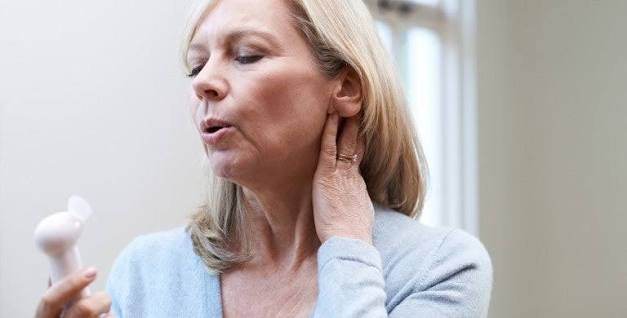
Hot flashes tend to be the most disruptive symptom — a sudden wave of heat and sweating.
- Wear layered clothing you can remove quickly
- Watch for triggers like spicy food and alcohol
- Sleeping in a cool room helps
- Deep breathing exercises can help during an episode
Diet and Lifestyle Changes
Diet becomes especially important during this phase since hormonal changes affect bone density and heart health too.
- Increase calcium and vitamin D-rich foods (bones tend to weaken)
- Foods with phytoestrogens, like soy, can help
- Cut back on caffeine and alcohol
- Regular exercise, especially weight-bearing exercises
[link to related guide about senior citizen diet plan here]
Taking Care of Emotional and Mental Health
This phase isn’t just physical — it’s emotional too. Hormonal shifts directly affect mood, and many women go through this feeling isolated because it’s rarely discussed openly.
Support from family and partners makes a huge difference here. If someone close to you is going through this phase, simply listening to them can help more than you’d expect.
[link to related guide about natural ways to reduce anxiety here]
When to See a Doctor
If symptoms are seriously affecting daily life, or bleeding is unusually heavy, it’s time to see a doctor. Hormone replacement therapy (HRT) is one option a doctor might discuss, based on individual health history.
FAQs
Q1. How long does menopause last? Symptoms typically last 4-7 years, though this varies a lot between women.
Q2. Is it harder to control weight gain after menopause? A slower metabolism increases the risk of weight gain, but it can be managed with diet and exercise.
Q3. Is hormone therapy safe? This depends on individual health history — it should only be decided after a full discussion with a doctor.
Q4. Is pregnancy possible after menopause? No, once menopause is confirmed (12 months without periods), natural pregnancy isn’t possible anymore.
Q5. Does every woman experience severe symptoms? No, some women experience mild symptoms while others experience severe ones — this depends on genetics and lifestyle too.
Conclusion
Understanding menopause symptoms and management makes this transition much easier to navigate. If you or someone in your family is going through this phase in 2026, the right diet, regular exercise, and emotional support can make it a smoother journey. Don’t hesitate to talk about it openly, and reach out to a doctor when needed.
Suggested Image Alt Text:
- “menopause symptoms infographic”
- “healthy diet for menopause women”
- “hot flashes management tips”