

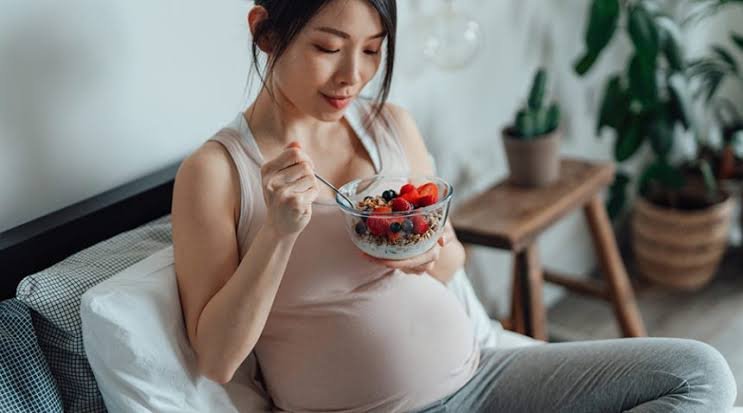
Pregnancy is one of those times when everything matters twice as much — for the mother and for the baby growing inside her. Searching for pregnancy diet tips online often brings up so much conflicting information that it just adds to the confusion.
A friend of mine who recently became a mother told me her biggest confusion was whether to continue eating normal home food or follow some special diet. The answer, it turns out, is a mix of both.
The Basics of a Pregnancy Diet
The most important thing while following pregnancy diet tips is variety and balance — not cutting out any food group entirely, but getting the right proportion of everything.
Quick answer: The key pregnancy diet tips are eating enough folic acid, iron, calcium, and protein-rich foods. Including fresh fruits, vegetables, lentils, and dairy daily supports the baby’s healthy growth.
Essential Nutrients and Their Sources
The body’s needs shift a bit with each trimester, but these nutrients stay important throughout:
- Folic acid — leafy greens, lentils, fortified cereals (for neural tube development)
- Iron — spinach, beetroot, pomegranate, red meat (to prevent anemia)
- Calcium — milk, curd, paneer, sesame seeds (for the baby’s bones)
- Protein — lentils, eggs, paneer, chicken (for tissue growth)
- Omega-3 — walnuts, flaxseed, fish (for brain development)
What to Avoid
This list matters just as much as what you should eat.
- Raw or undercooked eggs and meat
- Papaya (especially raw papaya) — considered risky in early pregnancy
- Excess caffeine
- Unpasteurized dairy products
- Alcohol — avoid completely
- Very oily and street food
Diet by Trimester
Your body’s needs change at each stage, so slightly adjusting your diet helps.
- First trimester: morning sickness is common; light, frequent meals work better
- Second trimester: appetite increases; focus on iron and calcium
- Third trimester: the baby grows rapidly; increase protein and fiber intake
Picture a pregnant woman who also works at an office — carrying portable healthy snacks like roasted makhana, fruits, and nuts from home can make a real difference for her.
How Much Weight Gain Is Normal
This is a question that’s on a lot of people’s minds. For women with a normal starting weight, gaining around 11-16 kg over the course of pregnancy is generally considered healthy, but this varies by individual and is best confirmed with a doctor.
[link to related guide about balanced Indian diet chart here]
The Role of Hydration During Pregnancy
Blood volume increases during pregnancy, so your water needs go up too — drinking around 3-3.5 litres a day helps with constipation and swelling as well.
[link to related guide about daily water intake here]
FAQs
Q1. Is it safe to eat non-veg during pregnancy? Yes, well-cooked non-veg is a good source of protein — just avoid raw or undercooked meat.
Q2. How many extra calories are needed during pregnancy? The second and third trimesters typically call for roughly 300-500 extra calories a day — confirm the exact amount with your doctor.
Q3. Should tea and coffee be completely avoided during pregnancy? Not entirely — limited amounts (1-2 cups) are generally considered safe.
Q4. What helps with morning sickness? Light, bland foods like khichdi, toast, and ginger tea tend to help.
Q5. Are prenatal vitamins necessary even with a good diet? Yes, the requirement for some nutrients like folic acid is so high that diet alone often can’t meet it, which is why doctors recommend supplements.
Conclusion
Following pregnancy diet tips isn’t complicated once you understand the basics — variety, balance, and the right nutrients. If you or someone in your family is pregnant in 2026, discuss every diet decision with a doctor, since every pregnancy is different. Healthy eating, proper rest, and regular checkups — that’s really the safest path forward.
Suggested Image Alt Text:
- “pregnancy diet tips chart”
- “healthy pregnancy food plate”
- “folic acid iron rich foods pregnancy”