
Over the last couple of years, intermittent fasting has become hugely popular in India — from gym regulars to office-going professionals, everyone seems to be trying it. But is it actually right for everyone? The answer isn’t as simple as social media makes it seem.
I tried the 16:8 method myself, and honestly, the first 3-4 days were tough. But once my body adjusted, I genuinely noticed a difference.
What Is Intermittent Fasting
Intermittent fasting is an eating pattern where you eat within a set time window and fast for the rest. It’s not a diet in the traditional sense — it decides when you eat, not what you eat.
Quick answer: Intermittent fasting for weight loss works because shrinking your eating window naturally reduces overall calorie intake, and your body starts using fat as an energy source during the fasting period.
Popular Intermittent Fasting Methods
There are several methods — pick one based on your lifestyle.
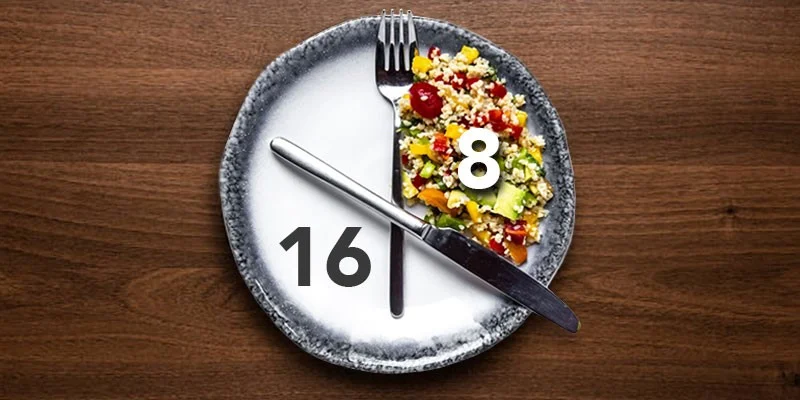
- 16:8 method — 16 hours fasting, 8-hour eating window (the most popular, beginner-friendly option)
- 5:2 method — eat normally 5 days a week, restrict calories on 2 days
- OMAD (One Meal A Day) — just one meal a day, an advanced approach
- Alternate day fasting — normal eating one day, fasting the next
For beginners, 16:8 is the most practical choice since it usually just means eating dinner early and starting breakfast a bit later — a pattern many people already follow naturally.
How to Follow It With an Indian Lifestyle
Food holds cultural importance in India, so it’s better to keep fasting flexible rather than overly rigid.
- Finish dinner by around 8 pm
- Fast until around noon the next day (that’s your 16 hours)
- During the fast, you can have water, black coffee, or green tea
- During the eating window, a normal Indian thali is fine — just watch your portions
[link to related guide about weight loss without gym here]
Benefits Beyond Just Weight Loss
People usually start fasting purely for weight loss, but there are other benefits that show up gradually.
- Improved insulin sensitivity
- Better digestion
- Many people report better mental clarity while fasting
- Reduced inflammation in the body
Who Should Avoid Intermittent Fasting
This isn’t the right approach for everyone. Avoid it if you are:
- Pregnant or breastfeeding
- Diabetic (without consulting a doctor first)
- Someone with a history of eating disorders
- Already underweight
[link to related guide about pregnancy diet tips here]
Common Mistakes People Make
One problem I’ve noticed — people overeat during their eating window, thinking “I fasted, so now I can eat anything.” That approach won’t get you results.
- Overeating junk food during the eating window
- Jumping straight into advanced fasting too fast
- Not drinking enough water while fasting
- Relying only on fasting and skipping exercise altogether
FAQs
Q1. Does intermittent fasting cause muscle loss? If protein intake is maintained and strength training is included, muscle loss is minimal.
Q2. Can I drink tea while fasting? Black tea or black coffee without milk or sugar are fine, but tea with milk breaks the fast.
Q3. How soon do results show with intermittent fasting? With consistent practice, noticeable weight loss can show up in 3-4 weeks.
Q4. Is intermittent fasting safe for everyone? No, people with certain health conditions or who are pregnant should consult a doctor first.
Q5. Should I exercise while fasting? Light to moderate exercise can be done toward the end of the fasting window; heavier workouts are better closer to the eating window.
Conclusion
Intermittent fasting for weight loss can be an effective and sustainable approach when followed correctly. Before starting in 2026, understand your body’s needs, and if you have any health condition, talk to your doctor first. Start small — try 12:12 and gradually work up to 16:8, giving your body time to adjust.
Suggested Image Alt Text:
- “intermittent fasting 16:8 method chart”
- “eating window fasting schedule”
- “intermittent fasting Indian diet plate”