
“My metabolism is just slow” — that’s the line a lot of people use to explain away their weight loss struggles. But the truth is, once you learn how to boost metabolism naturally, your body starts burning more calories on its own, without any crash dieting involved.
I’ve personally seen that small habit changes make the real difference — no magic pill required.
What Metabolism Actually Is
Metabolism, in simple terms, is the process your body uses to convert food into energy. The faster your metabolism, the more calories your body burns even at rest.
Quick answer: The most effective ways to boost metabolism naturally are building muscle mass, increasing protein intake, and drinking enough water. Together, these three naturally increase your body’s calorie-burning capacity.
Building Muscle Mass Matters Most
Muscle cells burn more calories than fat cells, even while you’re resting. That’s why strength training is the single most powerful way to boost metabolism.
- Do weight training 2-3 times a week
- Bodyweight exercises like squats and push-ups are enough to start
- Building muscle takes time — be patient
The Role of a Protein-Rich Diet
Digesting protein burns more energy than digesting carbs or fat — this is called the thermic effect of food.
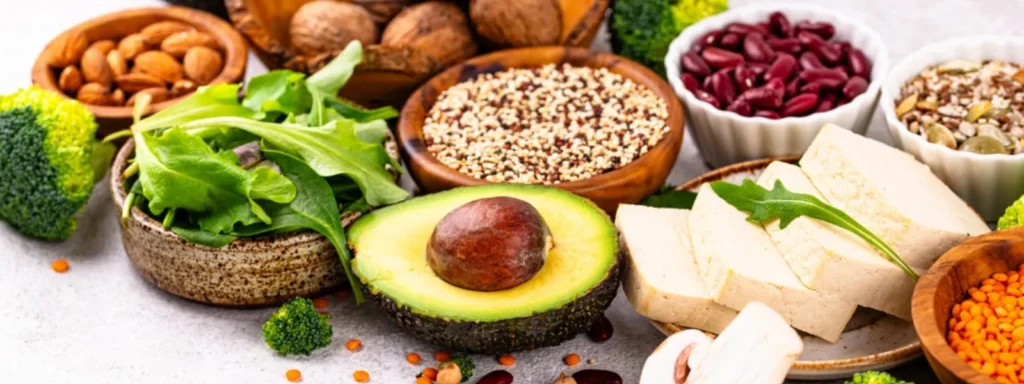
- Include a protein source in every meal — lentils, paneer, eggs, chicken
- Choose protein for snacking too — roasted chickpeas instead of chips
- Protein also supports muscle repair, which is important for metabolism
[link to related guide about high protein vegetarian foods here]
The Connection Between Sleep and Metabolism
Not many people realize that poor sleep slows metabolism down. When your body doesn’t get proper rest, hormones like cortisol rise, which promotes fat storage.
Picture a night-shift worker whose body clock is constantly disrupted — that’s exactly why managing weight becomes so much harder for them.
Water and Metabolism
Even mild dehydration can slow your metabolism by 2-3%. Drinking cold water forces your body to use a bit of extra energy warming it up, which is a small but real bonus.
[link to related guide about daily water intake here]
Small Frequent Meals vs Three Big Meals
This is a debated topic. Some research suggests frequent small meals keep metabolism active, but overall calorie intake matters more than meal frequency. Whatever pattern is sustainable for you is the best one.
Foods and Spices That Support Metabolism
- Green tea — mild thermogenic effect
- Black pepper and chili — capsaicin gives metabolism a slight boost
- Ginger — improves digestion
- Coffee — caffeine gives a short-term metabolism boost
None of these produce dramatic results on their own, but as part of an overall healthy diet, they help.
FAQs
Q1. Does metabolism slow down with age? Yes, it typically slows a bit every decade after 30, which is why maintaining muscle mass becomes even more important.
Q2. Can metabolism increase without exercise? Diet and sleep improvements can help somewhat, but exercise, especially strength training, is the most effective approach.
Q3. Which foods slow down metabolism? Highly processed foods, excess sugar, and crash dieting can all slow metabolism down.
Q4. Does green tea really boost metabolism? Yes, slightly — it has a mild thermogenic effect, but it’s not a magic solution on its own.
Q5. How long does it take to notice a metabolism boost? With consistent lifestyle changes, noticeable results usually show up in 2-3 months.
Conclusion
Learning how to boost metabolism naturally isn’t an overnight fix — it takes time and consistency. Strength training, a protein-rich diet, proper sleep, and enough water — if you commit to these four things in 2026, your body will naturally become more efficient at burning calories. Start with one small habit change today, and the rest will follow.
Suggested Image Alt Text:
- “natural ways to boost metabolism”
- “strength training for metabolism”
- “protein rich foods for metabolism”