
“You can’t build muscle on a vegetarian diet” is something I’ve heard way too many times, usually from people who’ve never actually tried structuring one properly. As someone who trains regularly and eats zero meat, I can tell you firsthand — the right high-protein vegetarian foods absolutely get the job done for recovery and muscle repair.
The trick isn’t eating more paneer, though that helps. It’s understanding which foods actually deliver complete protein profiles and building meals around them consistently.
Why Protein Matters So Much for Recovery
When you work out, you create tiny tears in muscle fibers. Protein is what rebuilds them stronger. Without enough of it, especially from high-protein vegetarian foods, your recovery slows down and progress stalls no matter how hard you train.
In short: Muscle repair after exercise depends on adequate protein intake, roughly 1.2-1.6g per kg of body weight for active individuals, and vegetarian sources can absolutely meet this when combined thoughtfully across the day.
1. Paneer and Cottage Cheese
Paneer isn’t just for curries. 100 grams of paneer packs around 18-20 grams of protein, making it one of the easiest high-protein vegetarian foods to add to any Indian meal without much effort.
- Grilled paneer cubes post-workout
- Paneer bhurji with your morning roti
2. Greek Yogurt and Regular Dahi
Greek yogurt has roughly double the protein of regular dahi (around 10g vs 5g per 100g), but both are genuinely useful. Dahi also brings gut-friendly probiotics, which indirectly supports better nutrient absorption too.
3. Lentils and Dals
Moong dal, masoor dal, toor dal — a bowl of any dal delivers roughly 7-9 grams of protein per cooked cup. Combine dal with rice and you get a more complete amino acid profile, which matters more than people realize.
Quick answer: Combining dal with rice creates a complete protein because lentils are low in methionine while rice provides it, and rice is low in lysine while lentils provide that — together they cover what neither food alone fully supplies.
4. Chickpeas and Chana
Chana isn’t just for chaat. A cup of cooked chickpeas has around 15 grams of protein and a solid amount of fiber, which also helps you feel full longer post-meal.
- Roasted chana as a snack
- Chole with brown rice for a post-workout meal
[link to related guide on daily health routines here]
5. Soy Products — Tofu and Soya Chunks
Soya chunks are genuinely underrated among high-protein vegetarian foods — 100 grams (dry) contains around 50 grams of protein, which is honestly higher gram-for-gram than most meat sources. Tofu is milder and works well in stir-fries.
6. Quinoa
Quinoa is one of the few plant foods that’s technically a “complete protein” on its own, meaning it has all nine essential amino acids. It’s pricier than rice, but a good option to rotate in a couple times a week.
7. Nuts, Seeds, and Nut Butters
Almonds, peanuts, chia seeds, and pumpkin seeds all add up. A tablespoon of peanut butter has around 4 grams of protein — small individually, but meaningful when layered across snacks throughout the day.
[link to related guide on building a sustainable daily health routine here]
8. Whey or Plant-Based Protein Powder
If you’re training seriously, a protein supplement can bridge gaps that whole food alone sometimes struggles to fill, especially post-workout when convenience matters. Vegetarian whey and plant-based options (pea protein, soy protein) both work well.
A Sample High-Protein Vegetarian Day
- Breakfast: Paneer bhurji + 2 eggs (if lacto-ovo) or moong dal chilla
- Lunch: Dal + rice + a side of curd
- Snack: Roasted chana or a handful of almonds
- Post-workout: Soya chunks curry or a protein shake
- Dinner: Tofu stir-fry or rajma with quinoa
This kind of spread across the day, built from high-protein vegetarian foods, easily hits 80-100+ grams of protein without needing meat at all.
FAQ
Q: Can vegetarians really get enough protein for muscle building without supplements? Yes, with planning — combining lentils, paneer, soy, and dairy across meals can meet most people’s needs, though supplements make it easier for very high targets.
Q: What’s the best high-protein vegetarian food for post-workout recovery specifically? Paneer, soya chunks, or a plant-based protein shake are all solid choices since they’re quickly digestible and protein-dense.
Q: How much protein do I actually need if I work out regularly? Roughly 1.2-1.6 grams per kg of body weight is a common recommendation for active individuals, though serious strength trainers sometimes go higher.
Q: Is paneer or tofu better for muscle recovery? Both work well — paneer has slightly more protein per 100g, but tofu is lower in fat, so it depends on your overall calorie goals.
Q: Do I need to eat protein immediately after a workout? The “anabolic window” is more flexible than older advice suggested — eating protein within a few hours post-workout is fine, it doesn’t need to be immediate.
Conclusion
Building muscle and recovering well doesn’t require meat — it requires consistency with the right high-protein vegetarian foods spread across your day. Paneer, dal, soya chunks, and quinoa can absolutely get you there. Try building just one meal today around these foods and see how much more satisfied and recovered you feel by tomorrow’s workout.
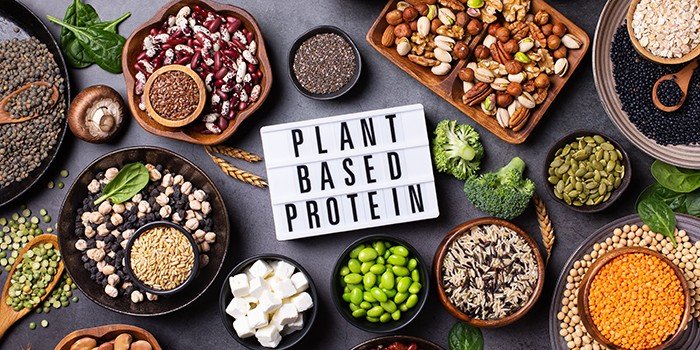
Suggested Image Alt Text: “High-protein vegetarian foods including paneer, dal, and soya chunks”