

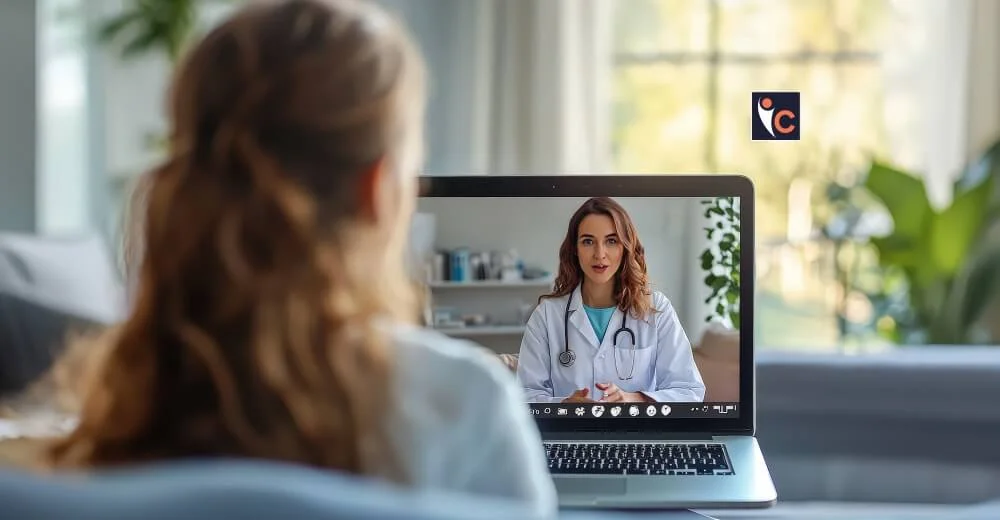
My uncle in Jaipur has type 2 diabetes. For years, he’d check his sugar levels with a finger-prick kit, jot the number in a diary, and forget about it until his next doctor visit three months later. Last year, his doctor put him on a continuous glucose monitor that syncs to an app. Now his doctor gets alerts if his sugar spikes at 2 AM. That’s remote patient monitoring in a nutshell — and it’s quietly becoming one of the biggest shifts in how chronic illness gets managed.
What Is Remote Patient Monitoring, Really?
Remote patient monitoring (RPM) is exactly what it sounds like — tracking a patient’s health data outside a hospital, usually through wearables or connected devices, and sending that data to a doctor in real time.
Quick answer: Remote patient monitoring uses connected devices like glucose monitors, smartwatches, and blood pressure cuffs to send patient health data to doctors continuously, letting them catch problems before a scheduled visit even happens.
It’s not new, exactly. Hospitals have used basic remote monitoring for cardiac patients for over a decade. What’s changed is the AI layer sitting on top of it now — flagging patterns a human might miss at 3 AM.
Why Chronic Disease Care Needed This Fix
Chronic conditions — diabetes, hypertension, COPD — don’t behave on a schedule. A patient can be fine at their monthly check-up and have three bad days the following week that nobody sees.
I’ve noticed that most patients don’t even mention minor symptoms to their doctor unless directly asked. Remote patient monitoring removes that gap. The device doesn’t forget to mention the dizzy spell on Tuesday.
The Wearables Actually Driving This in 2026
A few devices are doing the heavy lifting right now:
- Continuous glucose monitors (CGMs) — no more finger pricks, real-time sugar tracking
- Smart BP cuffs that log readings automatically instead of relying on the patient writing them down
- ECG-capable smartwatches that can flag irregular heart rhythm
- Pulse oximeters for COPD and post-COVID lung monitoring, still relevant for older patients
- Connected weighing scales for heart failure patients, since sudden weight gain often signals fluid retention
None of these are flashy. They’re just quietly useful, which honestly matters more.
How AI Fits Into Remote Patient Monitoring
This is where it gets interesting. Raw data alone is useless if a doctor has to scroll through weeks of numbers manually. AI models now flag anomalies — a BP reading that’s trending up over ten days, a glucose pattern that suggests insulin resistance is worsening.
Quick answer: AI in remote patient monitoring analyzes continuous health data streams to detect early warning signs — like a slow rise in blood pressure — that a patient or even a busy doctor might otherwise overlook between appointments.
Is this perfect? No. False alerts happen. But catching one real emergency early is worth a few false alarms, honestly.
Real Cost and Access Numbers in India
Here’s where it gets practical for an Indian reader. A basic CGM patch runs somewhere between ₹2,500 and ₹4,000 for a 14-day sensor. Smart BP monitors start around ₹2,000. Not cheap for everyone, but far less than repeated hospital visits or a missed diagnosis.
Several Indian hospital chains — Apollo and Max among them — now offer remote patient monitoring as part of chronic disease packages, bundling the device cost into a monthly subscription rather than a one-time purchase.
Challenges Nobody Talks About Enough
It’s not all smooth. Rural connectivity is patchy, and older patients sometimes struggle with the apps. A device is only useful if someone’s actually looking at the data on the other end — and not every clinic has staff dedicated to reviewing alerts.
There’s also the privacy question. Continuous health data is sensitive, and not every platform is transparent about where it’s stored. [link to a guide on healthcare data privacy here] would be worth exploring if you’re evaluating a platform for a family member.
Is It Worth It for Your Family?
If someone in your family has diabetes, hypertension, or heart trouble, this is genuinely worth asking their doctor about. It won’t replace regular check-ups, but it fills the gap between them — and that gap is often where things quietly go wrong.
FAQs
Does remote patient monitoring work without smartphone or internet access? Not really — most devices need a paired app and some connectivity to sync data. A few basic BP monitors store readings locally and sync when you’re near WiFi, but real-time alerts need a live connection.
Is remote patient monitoring covered by health insurance in India? Some insurers are starting to cover it under chronic disease management add-ons, but it’s not standard yet. Worth calling your insurer directly before assuming it’s included.
Can elderly patients use these devices without help? Some can, some genuinely struggle. Smartwatches with simple interfaces work better than apps with multiple menus. A family member setting it up initially usually solves most of the friction.
How accurate are consumer-grade wearables compared to hospital equipment? Close, but not identical. A continuous glucose monitor is generally reliable for trends, though a doctor may still confirm with a lab test before changing medication.
What happens if the device detects something abnormal? Depends on the platform — some send an alert directly to your doctor’s dashboard, others just notify you, and you’re expected to call the clinic yourself. Ask this before choosing a service.
Is remote patient monitoring only for old or seriously ill patients? No, younger patients managing early-stage hypertension or prediabetes benefit too — catching a worsening trend early often means the difference between lifestyle changes and lifelong medication.
Final Thoughts
Remote patient monitoring isn’t some futuristic concept anymore — it’s already sitting in pharmacies and hospital packages across Indian cities in 2026. It won’t fix everything, and it’s not a replacement for a good doctor. But for chronic conditions that don’t wait for your next appointment, it closes a gap that’s cost people their health before.
If you’re managing a chronic condition — yours or a parent’s — it’s worth a five-minute conversation with your doctor about whether remote patient monitoring makes sense for your case.
Suggested image alt text:
- “Elderly patient using a continuous glucose monitor patch on arm”
- “Doctor viewing remote patient monitoring dashboard on laptop”
- “Smartwatch displaying heart rate and ECG readings for remote monitoring”