

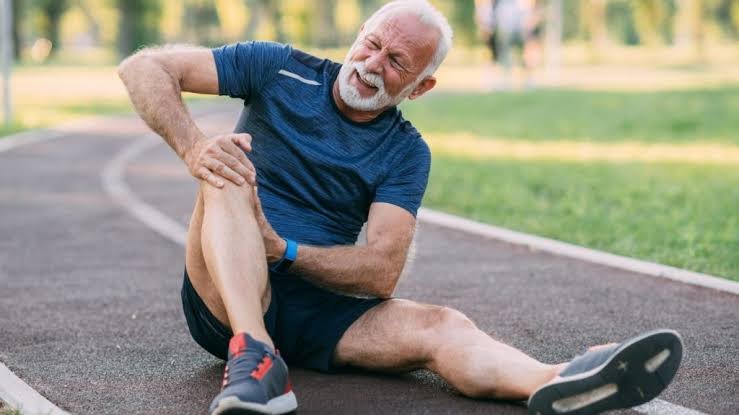
Joint pain becomes a common complaint as people age — stiffness in the knees first thing in the morning, difficulty climbing stairs. Understanding the right approach to joint pain relief for elderly can significantly reduce this discomfort.
My grandfather struggled with knee pain at 65, and his doctor’s simple advice — light exercise and diet changes — gave him a lot of relief, without heavy medication.
Why Elderly People Experience Joint Pain
As we age, cartilage naturally thins out, increasing friction in the joints and causing pain. This is called osteoarthritis, and it’s the most common cause of joint pain in older adults.
Quick answer: The most effective approach to joint pain relief for elderly is regular light exercise, weight management, and an anti-inflammatory diet. Together, these reduce pressure on the joints and improve mobility.
Gentle Exercises That Help
The idea that exercise makes joint pain worse is a myth — the right exercises actually strengthen the joints.
- Walking — a light 20-30 minute walk daily
- Swimming or water exercises — puts less pressure on the joints
- Stretching — helps maintain flexibility
- Chair yoga — a great option for those with limited mobility
It’s better to consult a doctor or physiotherapist first, especially if the pain is severe.
Diet That Reduces Joint Pain
Some foods increase inflammation, others reduce it — knowing the difference helps.
- Omega-3 rich foods like walnuts, flaxseed
- Turmeric — has natural anti-inflammatory properties
- Green leafy vegetables
- Cut back on processed and fried food — these increase inflammation
[link to related guide about senior citizen diet plan here]
The Role of Weight Management
Extra weight puts significant added pressure on the knees. Every extra kilo puts 3-4 times more pressure on the knees while walking.
Picture a 60-year-old who loses just 5 kg — the difference in their knee pain can be noticeable, without any medication involved.
Home Remedies and Comfort Measures
- Warm water fomentation
- Massage with mustard or coconut oil
- Comfortable, well-supporting footwear
- Avoid staying in one position for too long
When to See a Doctor
If joint pain becomes severe, causes swelling, or seriously limits movement, it’s time to see a doctor. In some cases, physiotherapy or medication may be needed.
[link to related guide about yearly health checkup list here]
FAQs
Q1. Is there a permanent cure for joint pain? Conditions like osteoarthritis can’t be fully cured, but lifestyle changes can manage symptoms significantly.
Q2. Does cold weather make joint pain worse? Some people feel more joint pain in cold weather — warm clothing and warmth generally help.
Q3. Is surgery necessary for joint pain? Usually not — surgery (like knee replacement) is only recommended in severe cases.
Q4. Which exercises should be avoided with joint pain? High-impact exercises like running or jumping should be avoided if joints are already painful.
Q5. Does turmeric milk actually help? Yes, turmeric contains curcumin, which has a mild anti-inflammatory effect — regular use can show benefits.
Conclusion
There’s no single magic fix for joint pain relief for elderly, but the right combination — exercise, diet, and weight management — can bring real relief. If someone in your family is struggling with joint pain in 2026, encourage them to stay active, support them, and consult a doctor when needed.
Suggested Image Alt Text:
- “joint pain relief exercises elderly”
- “senior citizen walking exercise”
- “turmeric anti inflammatory foods”