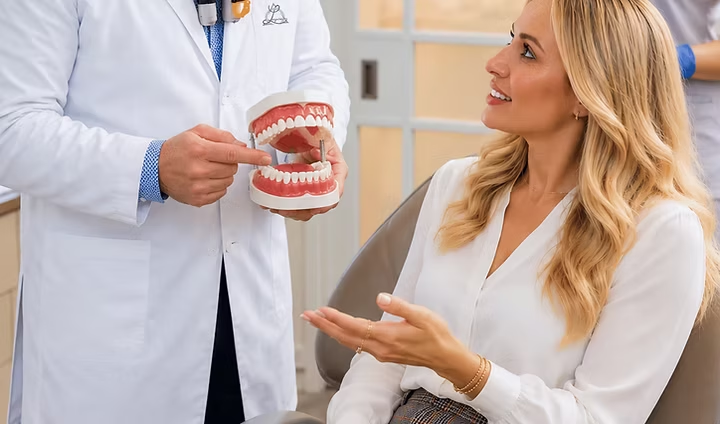


“I’ll go when something actually hurts” is a strategy I hear from way too many people, and honestly, it’s one I followed myself for a good chunk of my twenties. The truth about how often visit dentist schedules should actually happen isn’t a single universal number — it genuinely depends on your personal risk factors, not just a blanket “twice a year” rule everyone repeats.
I learned this properly only after a dentist explained why my own checkup frequency didn’t need to match my partner’s, despite us going in together for years out of convenience.
Where the “Twice a Year” Rule Actually Comes From
The 6-month checkup recommendation isn’t arbitrary — it’s roughly how long it takes plaque buildup and early cavities to progress to a stage worth intervening on for an average-risk person. But “average risk” is doing a lot of work in that sentence.
In short: Twice a year is a reasonable default for most people with decent oral hygiene and no major issues, but higher-risk individuals — smokers, diabetics, people with gum disease — often need visits every 3-4 months, while very low-risk adults can sometimes stretch to annual visits.
1. Low-Risk Adults: Once a Year Might Be Enough
If you have excellent oral hygiene, no cavities in years, no gum disease, and good genetics, some dentists now suggest annual visits are sufficient. This surprises people because it goes against the standard advice, but the evidence increasingly supports individualized frequency.
2. Average-Risk Adults: Every 6 Months
This is still the most common recommendation, and for good reason — it catches most issues (cavities, early gum disease, wear patterns) before they become expensive or painful problems. If you’re unsure which category you fall into, this is the safe default.
3. Higher-Risk Individuals: Every 3-4 Months
Several factors push people into needing more frequent visits:
- Smoking or tobacco use
- Diabetes (which affects gum healing significantly)
- History of gum disease or frequent cavities
- Pregnancy (hormonal changes increase gum sensitivity)
- Braces or other orthodontic appliances
Quick answer: Higher-risk individuals need more frequent dental visits because conditions like diabetes and smoking impair the body’s ability to fight off gum infection and heal tissue, meaning problems progress faster and need earlier intervention to prevent serious damage.
[link to related guide on foods that damage teeth here]
4. Children: Every 6 Months, Starting Early
Most dentists recommend a child’s first visit by age 1, then every 6 months after that, since children’s teeth develop and change quickly, and early cavity detection matters a lot for long-term dental health.
5. Seniors: Often More Frequent Than People Expect
Aging brings dry mouth (from medications), receding gums, and higher cavity risk at the gumline. Many seniors actually need more frequent visits than they had in their 30s and 40s, not fewer, contrary to what people often assume.
[link to related guide on senior health and aging well here]
6. Signs You Need to Go Sooner Than Scheduled
Don’t wait for your next scheduled appointment if you notice:
- Persistent bad breath despite good hygiene
- Bleeding gums during brushing that doesn’t improve
- Tooth sensitivity to hot or cold that’s new
- Visible dark spots or holes
- Jaw pain or clicking
7. What Actually Happens at a Checkup Beyond Cleaning
A lot of people think dental visits are just cleaning, but the exam itself — checking for early cavities, gum pocket depths, oral cancer screening, and bite alignment — is arguably the more important part. Cleaning alone doesn’t catch everything a proper exam does.
8. Cost Considerations in India
Regular checkups (₹300-800 typically) are far cheaper than treating a problem caught late. A root canal can run ₹4,000-15,000+ depending on the tooth and clinic, which puts the “twice a year” habit into pretty clear financial perspective.
FAQ
Q: How often visit dentist recommendations change as you get older? Yes, generally — risk factors change with age (dry mouth, receding gums, medication effects), so frequency often needs to be reassessed every few years rather than staying fixed forever.
Q: Is it bad to skip a dental visit if nothing hurts? It can be, since many issues like early cavities and gum disease don’t cause pain until they’re already advanced. Absence of pain doesn’t mean absence of a problem.
Q: Do I need X-rays at every single dental visit? No, typically X-rays are done annually or every couple of years unless there’s a specific concern, not at every 6-month cleaning.
Q: Can pregnancy really change how often I should visit the dentist? Yes — hormonal changes during pregnancy increase gum inflammation risk significantly, so many dentists recommend closer monitoring during this time.
Q: What’s the actual risk of going less than the recommended frequency? The main risk is catching problems later, when treatment is more invasive and expensive, rather than early intervention that’s often simple and cheap.
Conclusion
There’s no single correct answer to how often visit dentist schedules should follow — it depends on your individual risk factors, not a one-size-fits-all rule. If you’re unsure where you fall, ask your dentist directly at your next visit to set a personalized schedule instead of just defaulting to whatever everyone else does.
Suggested Image Alt Text: “Dentist checking patient teeth during a routine visit”