
“I’ll start once I join a gym” is one of the most common excuses I hear, and honestly, I used to say it myself. Truth is, a solid home workout without equipment can build real strength and stamina — no membership, no dumbbells, no fancy setup required. All you actually need is about 20 minutes and a bit of floor space.
I started my own fitness journey this way, actually, doing pushups against my kitchen counter because I was too intimidated to walk into a gym. Two years later, I still do bodyweight workouts more often than weighted ones.
Why a Home Workout Without Equipment Actually Works
Bodyweight training isn’t a “lesser” version of gym training — it builds real functional strength using your own resistance. A well-structured home workout without equipment can absolutely build muscle, improve stamina, and burn fat, especially for beginners.
In short: A home workout without equipment uses your own body weight for resistance — squats, pushups, planks — and is genuinely effective for beginners because the main limiting factor early on is technique and consistency, not equipment.
1. Warm Up First (Don’t Skip This)
Five minutes, that’s it. Jumping jacks, arm circles, bodyweight squats — just get blood moving before anything intense. Skipping warmup is honestly the number one reason beginners get discouraged after an injury or soreness scare.
2. The Core Beginner Circuit
This is the backbone of any good home workout without equipment for someone just starting out. Do 3 rounds, resting 60-90 seconds between rounds.
- Bodyweight squats — 12-15 reps
- Push-ups (knee push-ups are totally fine to start) — 8-12 reps
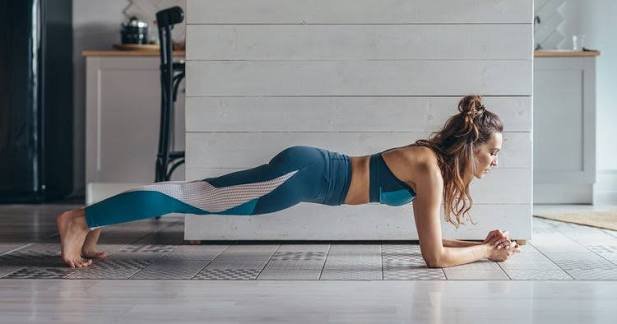
- Plank hold — 20-30 seconds
- Glute bridges — 15 reps
- Mountain climbers — 20 total (10 each side)
3. Progressing Without Adding Equipment
Once bodyweight squats or push-ups feel easy, you don’t need dumbbells to progress — you need harder variations. This is the part most beginners don’t realize about a home workout without equipment: you can keep advancing indefinitely.
- Squats → jump squats → single-leg squats
- Push-ups → decline push-ups (feet elevated) → diamond push-ups
- Plank → plank with shoulder taps → side planks
Quick answer: You progress a bodyweight workout by increasing difficulty through leverage and range of motion — single-leg variations, elevated positions, or slower tempo — rather than adding external weight, and this works well into intermediate fitness levels.
[link to related guide on daily health routines here]
4. Cardio Without a Treadmill
You genuinely don’t need a treadmill for cardio. High-knees, burpees, jumping jacks, and stair climbing (if you have stairs at home) all get your heart rate up effectively. Picture someone doing a 15-minute cardio circuit on their apartment terrace in the evening — that’s a completely legitimate cardio session.
5. How Often Should Beginners Train
Three to four days a week is plenty for someone starting out with a home workout without equipment plan. Your muscles actually grow during rest, not during the workout itself, so daily training isn’t necessary and can honestly backfire with fatigue or injury.
6. Common Mistakes Beginners Make
I made most of these myself, so take it from experience:
- Going too hard, too fast in week one (leads to quitting by week two)
- Skipping warm-up and cool-down
- Comparing your form to fitness influencers instead of focusing on your own technique
- Expecting visible changes within a week (realistically it takes 4-6 weeks minimum)
[link to related guide on nutrition for muscle recovery here]
7. A Sample Weekly Structure
- Monday: Full body circuit (above)
- Tuesday: Rest or light walk
- Wednesday: Cardio focus (burpees, jumping jacks, high knees)
- Thursday: Rest
- Friday: Full body circuit again, slightly harder variations
- Weekend: Optional walk or light stretching
This kind of structure keeps a home workout without equipment sustainable rather than something you burn out on within a month.
FAQ
Q: Can I actually build muscle with a home workout without equipment? Yes, especially as a beginner — your muscles respond well to bodyweight resistance for quite a while before you’d need external weight to keep progressing.
Q: How long before I see results from bodyweight training? Most people notice strength improvements within 2-3 weeks and visible changes around 6-8 weeks, depending on consistency and diet.
Q: Do I need a mat for home workouts? Not strictly, but a towel or yoga mat makes floor exercises more comfortable, especially planks and glute bridges.
Q: Is 20 minutes a day enough for a beginner? Absolutely — consistency at 20 minutes, 4 days a week, beats an inconsistent hour-long routine every time.
Q: What if I don’t have much floor space at home? Most of these exercises need less space than you’d think — roughly a yoga mat’s worth of room is enough for the entire circuit above.
Conclusion
You don’t need a gym membership, dumbbells, or a fancy setup to get genuinely fit. This home workout without equipment plan is built specifically for beginners who want real results without the intimidation factor of a gym floor. Start with the core circuit above tomorrow morning — just three rounds, twenty minutes, and you’re already ahead of where you were yesterday.
Suggested Image Alt Text: “Beginner doing a home workout without equipment in living room”