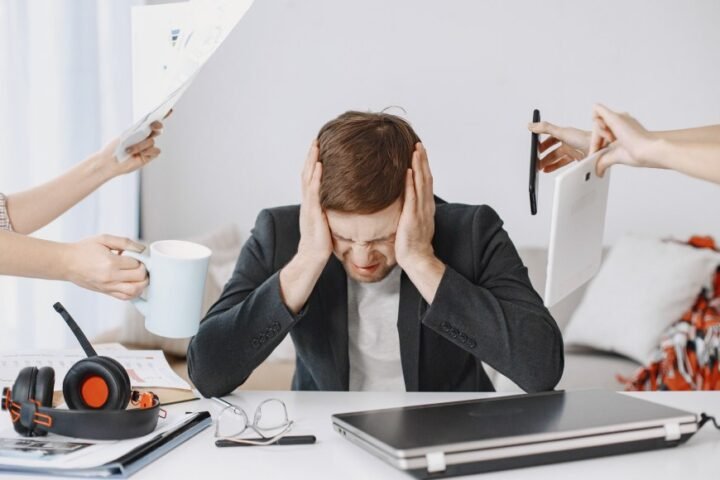

Anxiety has this way of making your breathing shallow and fast without you even realizing it, which then makes the anxious feeling worse — a genuinely frustrating loop. The good news is that breathing techniques for anxiety work in the opposite direction too: controlling your breath can actually interrupt the anxiety response itself, often within a few minutes.
I was honestly skeptical the first time a friend suggested this to me. Breathing exercises sounded too simple to matter for something that felt as overwhelming as a panic attack. Turns out, simple doesn’t mean ineffective.
Why Breathing Actually Affects Anxiety
Your breath is one of the few automatic body functions you can consciously control. Slowing it down activates your parasympathetic nervous system — the “rest and digest” mode — which directly counteracts the fight-or-flight response driving your anxiety.
In short: Slow, controlled breathing signals your nervous system to shift out of fight-or-flight mode, which lowers heart rate and reduces the physical sensations that make anxiety feel worse — this is a physiological effect, not just a distraction technique.
1. Box Breathing (4-4-4-4)
Used by everyone from therapists to Navy SEALs, this is probably the most well-known of all breathing techniques for anxiety.
- Inhale through your nose for 4 seconds
- Hold for 4 seconds
- Exhale slowly for 4 seconds
- Hold empty for 4 seconds
- Repeat for 4-6 cycles
2. The 4-7-8 Technique
This one’s particularly good before sleep or during a sudden anxiety spike.
- Inhale for 4 seconds
- Hold for 7 seconds
- Exhale slowly for 8 seconds
The extended exhale is the key part — it triggers a stronger relaxation response than equal-length breathing patterns.
3. Diaphragmatic (Belly) Breathing
A lot of anxious breathing happens shallowly in the chest. Diaphragmatic breathing retrains you to breathe from your belly instead, which naturally slows and deepens each breath.
- Place one hand on your chest, one on your belly
- Breathe so only the belly hand moves, not the chest hand
- Aim for slow, even breaths for 2-3 minutes
Quick answer: Belly breathing works by engaging the diaphragm fully instead of shallow chest breathing, which increases oxygen exchange efficiency and directly signals the nervous system to calm down — most people unconsciously chest-breathe when anxious, which keeps the anxiety cycle going.
[link to related guide on wellness habits for stress here]
4. Physiological Sigh
This is a newer technique that’s gained attention recently — two quick inhales through the nose, followed by one long exhale through the mouth. Research suggests this specific pattern reduces stress faster than regular breathing in short sessions.
5. 5-Count Grounding Breath
Combine breathing with grounding for a stronger effect during acute anxiety:
- Breathe in for 5 counts while naming 5 things you can see
- Breathe out for 5 counts while naming 4 things you can feel
This double-tasking approach can pull attention away from anxious thoughts more effectively than breathing alone for some people.
[link to related guide on signs of burnout here]
6. When to Use Which Technique
- Sudden panic or acute anxiety: Box breathing or the physiological sigh
- Before sleep or winding down: 4-7-8 breathing
- General daily stress management: Diaphragmatic breathing, practiced for a few minutes daily
- Anxiety with racing thoughts: 5-count grounding breath
Different breathing techniques for anxiety suit different situations, so it’s worth trying a few to see which clicks for you personally.
7. Building This Into a Daily Habit
Doing these breathing techniques only during a crisis works, but practicing them regularly — even 5 minutes a day when you’re calm — makes them far more effective when you actually need them under pressure. It’s a bit like a fire drill; you want the pattern familiar before the emergency.
FAQ
Q: How quickly do breathing techniques for anxiety actually work? Many people notice a physical shift — slower heart rate, less tension — within 1-2 minutes of consistent practice, though the effect builds with regular use.
Q: Can breathing techniques stop a full panic attack? They can help significantly reduce intensity and duration, though severe panic attacks may need additional support like therapy or, in some cases, medication.
Q: Is it normal to feel dizzy while doing these breathing exercises? Mild lightheadedness can happen, especially with breath holds — if it happens, just return to normal breathing and try a gentler pace next time.
Q: How often should I practice breathing techniques for anxiety? Daily practice, even just 5 minutes, builds the habit so it’s more effective in high-stress moments. Think of it as strengthening a skill.
Q: Are breathing techniques enough on their own for chronic anxiety? They’re a genuinely useful tool but not a complete treatment for chronic or severe anxiety — pairing them with therapy or professional support gives better long-term results.
Conclusion
Breathing techniques for anxiety aren’t a cure-all, but they’re one of the fastest, most accessible tools you have for calming your nervous system in the moment. Try box breathing the next time you feel that familiar tightness in your chest — just four rounds, less than a minute, and notice what shifts.
If anxiety is significantly affecting your daily life, please consider reaching out to a mental health professional — these techniques work well alongside proper support, not as a replacement for it.
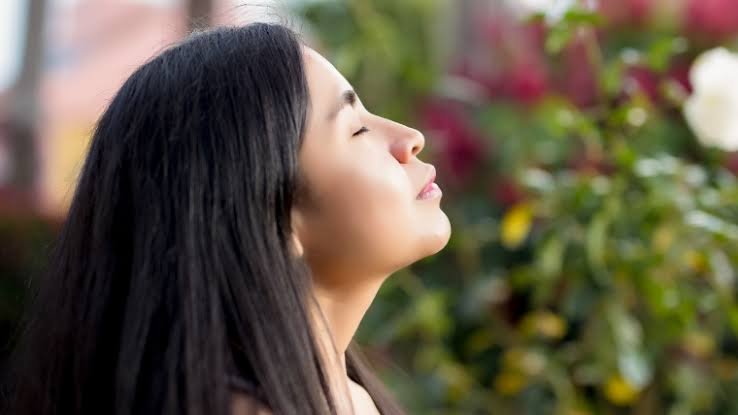
Suggested Image Alt Text: “Person practicing breathing techniques for anxiety with eyes closed”